
Neuro-Optometry for Stroke Recovery: Vision Challenges and Solutions

Neuro-Optometry for Stroke Recovery: Vision Challenges and Solutions

Neuro-Optometry for Stroke Recovery: Vision Challenges and Solutions

Neuro-Optometry for Stroke Recovery: Vision Challenges and Solutions
Recovering from a stroke can bring unexpected changes to the way a person sees and processes the world around them. Vision problems may affect reading, balance, walking, screen use, and everyday comfort, even when eyesight seems clear. Neuro-optometry helps identify how the eyes and brain are working together after a stroke, giving patients a more targeted path toward improved visual function during recovery.
Common Vision Problems After a Stroke
Stroke-related vision problems can vary depending on which part of the brain was affected. Some patients notice symptoms right away, while others may realize something feels “off” as they return to daily routines.
Common vision challenges after a stroke may include:
• Double vision or blurred vision
• Loss of part of the visual field
• Eye teaming or focusing problems
• Dizziness, balance issues, or visual motion sensitivity
• Trouble reading or tracking lines of text
• Light sensitivity or visual fatigue
• Difficulty judging depth or distance
These symptoms can affect independence, comfort, and confidence, especially when walking, driving, reading, or using digital devices.
Why a Regular Eye Exam May Not Be Enough
A traditional eye exam checks important factors such as visual clarity, eye health, and prescription needs. However, stroke recovery can involve more complex vision issues connected to how the eyes and brain work together. Even when a person can see clearly, they may still struggle with dizziness, headaches, balance problems, double vision, or visual fatigue.
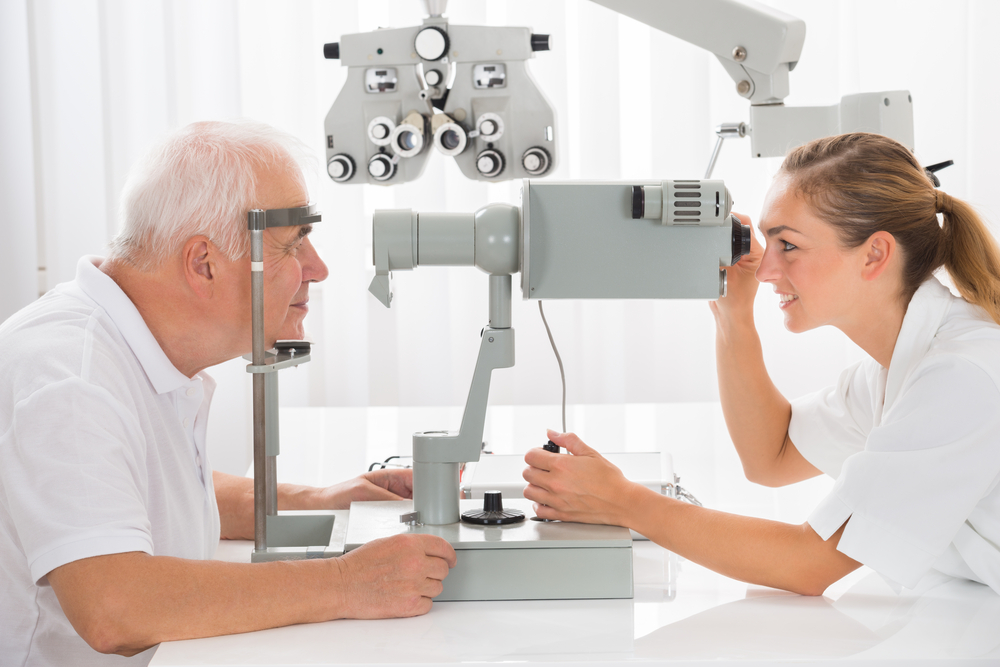
A NeuroVisual™ Exam takes a deeper look at these functional vision concerns. This exam evaluates how well the eyes align, focus, track, and process visual information, helping identify subtle problems that may be affecting comfort, mobility, reading, or concentration during stroke recovery.
NeuroVisual™ Exam Solutions For Stroke Recovery
A NeuroVisual™ Exam can help guide a more personalized approach to post-stroke vision care. The goal is not only to improve eyesight, but to support how the visual system functions in everyday life.
Depending on the patient’s needs, recommendations may include specialty lenses, prism lenses, targeted visual strategies, or therapy-based support to improve eye teaming, tracking, and visual comfort. These solutions can help make activities like reading, walking, screen use, and navigating busy environments feel more manageable.
Get Personalized Vision Support for Stroke Recovery
Patients should consider a neuro-optometric evaluation after a stroke if they are experiencing ongoing visual discomfort, difficulty reading, balance problems, dizziness, or double vision. Even subtle symptoms can make recovery more frustrating and may slow progress in other areas of rehabilitation. Because every stroke recovery is different, an individualized treatment plan is essential. At Eversee Boutique Eyecare, neuro-optometry is part of a more complete approach to eye care that considers eyesight, eye health, and visual processing.
Schedule a NeuroVisual™ Exam with Eversee Boutique Eyecare and take the next step toward more comfortable vision during stroke recovery. Call our clinic in Winnetka, Illinois at (847) 386-9045 to book an appointment today.


STORE HOURS
| Monday | 9:30 AM to 5:30 PM |
| Tuesday | 9:00 AM to 4:00 PM |
| Wednesday | 9:30 AM to 5:00 PM |
| Thursday | 9:30 AM to 5:00 PM |
| Friday | 9:30 AM to 4:00 PM |
| Saturday | Closed |
| Sunday | Closed |
| *Private appointments may be requested outside of listed hours- call to book | |
© 2026 Eversee Boutique Eyecare - All Rights Reserved - Accessibility Statement - SMS ToS - Privacy Policy - Sitemap
Powered by 